117-SCAMPER through your Next Teacher Evaluation…Starring Jen Wilson

I remember my first teacher evaluation. I was nervous! I tried to put on a great show. I felt I did okay. Then, a few days later, I remember walking toward the principal’s office to hear the verdict. I wasn’t sure how this meeting would go. I thought my lesson went well, but I couldn’t tell how my principal felt because he always played them close to the vest. Thankfully, he said positive things. I was thrilled and relieved.

Decades later, I’m still being observed. But now, all my administrators are younger than me. It makes the entire process a lot less intimidating. I still take observation day seriously, but I’m more relaxed about the process.

I wished I would have had the courage to try what I tried last week earlier in my career. I approached my principal about attempting to address a weakness during a formal evaluation. Because he’s a good principal, he welcomed my idea.

My weakness is personalization. It’s something I don’t do enough and I’m confused about the nuts and bolts. I’m not opposed to personalizing lessons, I think it’s the direction in which the world…and certainly education, is headed, but I needed help.
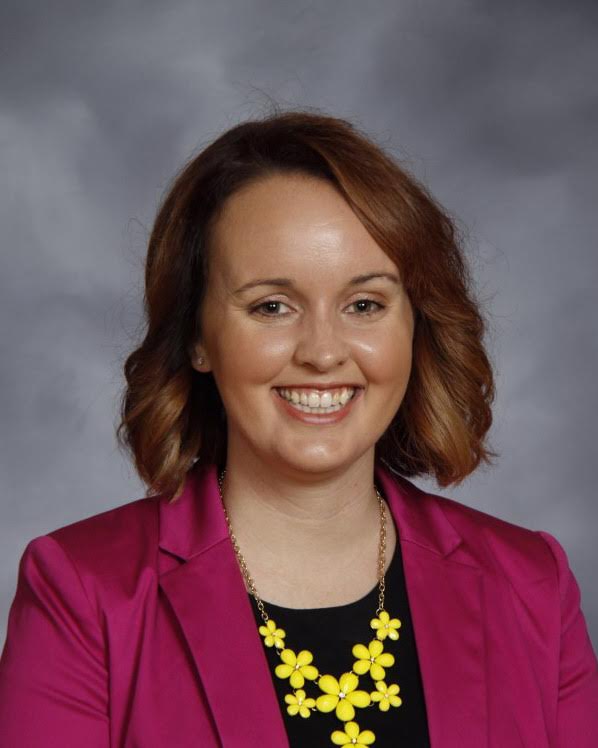
Jen Wilson

And this, dear reader, is where Jen Wilson enters the scene. Jen is an instructional coach in our school. My principal sent me Jen’s way. I’ve worked with her before and she’s great. She suggested that I take my lesson and apply the SCAMPER method.
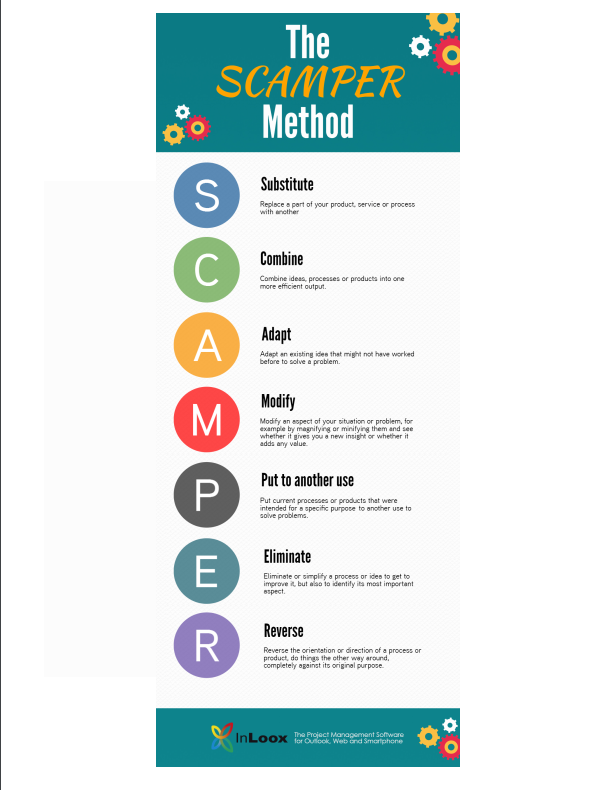
SCAMPER is an acronym which challenges kids to apply higher levels of thinking. It’s a template that can be used over and over in every subject.

I challenged my kids to create a stop-motion video on nonviolent protest. Here’s the prompt I gave to students. Here’s a typical kid production.

My experiment of addressing a weakness as the focus of an evaluation was a success. My principal heartily endorsed the idea, he provided awesome resources like Jen Wilson, I gained confidence in terms of personalizing, and my students experienced a solid learning opportunity.

Episode Template

The Problem:

Teachers play to their strength in evaluations.

The Solution:

Impress your evaluator by addressing a weakness.

What you can do Tomorrow:

  • Determine your weakness
  • Confirm it with your evaluator
  • Ask them for resources
  • Exploit those resources
  • Collaborate with helpers to create your lesson.

It’s totally understandable to play to your strength during evaluations, but such pressure-filled situations are remarkable opportunities for growth.

Listen to “117-SCAMPER through your Next Teacher Evaluation…Starring Jen Wilson.output” on Spreaker.

116-Deanna Hess Enthusiastically Turns the Car Keys Over to Her Kids

I stopped coaching football in the fall of 2000. That’s a long time ago. In the spring of 2018, Eric Myers, who’s the Track and Field Coach at our school, surprised me with an unexpected proposition, Jim…you need to get back into coaching. I need an assistant. Coach with me. We’ll have a blast! I was totally unprepared for this solicitation. I responded, Wow…thanks, but I’m long removed from the coaching mindset. It’s been years since I’ve coached. I’m sorry!

I was surprised by Eric’s proposition. That was a problem. I said no instinctively without giving it much thought. I promptly dismissed the idea and went on with my busy day.

Our minds, however, function in mysterious ways. Last summer on a gorgeous Ohio day, I needed something to do. My wife had an obligation, so I was free to entertain myself. I decided to go hiking at Mohican State Park near Mansfield, Ohio. For some odd reason, as I strolled over the beautiful trails surrounded by sun-dappled hemlocks, I started thinking about coaching again:

  • Man, it would take a lot of time out of my day.
  • Boy, parents become spastic whenever their offspring are even remotely engaged in competition.
  • I’m not as young as I used to be.

But these thoughts were overwhelmed by others:

  • When I was coaching I had a relational advantage in the classroom because I bonded with kids on the playing field.
  • While I’m not as young as I used to be, I’m still very fit and coaching might make me feel even younger.
  • I had a lot of fun coaching and there’s no reason to think that couldn’t be the case again.
  • And finally and most importantly, I have a lot to offer those kids in the role of a coach.

On my way home from the hike, I called Coach Myers and told him that if he needed me next year, I was available.

Now, fast-forward to February of 2019. Eric informed that he did need me to help coach running events, but he really needed a discus coach. This introduced a fascinating new variable. I was a speed guy in high school. I’d never picked up a discus in my life. Eric assured me that I could teach myself and clarified that practice started on the 4th of March, so I needed to get cracking!

This is a perfect example of self-directed learning. Over the past 2 weeks, I’ve researched, watched video, interviewed experienced throwers, and practiced the movements. To the amusement and annoyance of wife and offspring, I’ve thrown a lot of things against my basement wall mimicking throwing the discus. My form has evolved. I’m now excited to teach others. Please…repeat after me, When we teach ourselves, it sticks

Deanna Hess [email protected]

Deanna Hess teaches dual enrollment English at Dover High School in Dover, Delaware. My story about self-directed learning dovetails perfectly with her story about a prompt she recently gave students. Deanna challenged her kids by placing the learning objective at the end of the prompt! In other words, the learning objective represented Point B in a journey. Point A and how students got to Point B, was totally up to them. If this sounds fun, courageous, powerful, and something you’d like to try in your classroom, then you, dear friend, have downloaded the right podcast. Deanna describes her evolution in thinking about the assignment, the twists and turns of its execution, her interesting observations during the process, and the potential as a future instruction tactic. There’s no doubt that this lesson was a powerful learning experience for Deanna’s students. Here’s a link to the prompt Deanna gave her kids:

Project Proposal Template

Episode Template

The Problem:

Self-directed learning is powerful, but teachers don’t do enough of it.

The Solution:

Overcome your reservations and turn the keys over to your kids.

What you can do Tomorrow:

  • Recruit an upcoming lesson as a wonderful candidate for student-led learning
  • Craft a prompt with the learning objectives at the end
  • Anticipate emotions you might experience as you relinquish control
  • Create space for students to brainstorm and collaborate on how to demonstrate learning
  • Consult with colleagues who already do a lot of student-led learning

The things that I have taught myself have incredible power. Why not put this phenomenon to work in your class?

Listen to “116-Deanna Hess Enthusiastically Turns the Car Keys Over to Her Kids” on Spreaker.

115-Principal Mo Ross Describes what he’s Looking for in your Next Evaluation

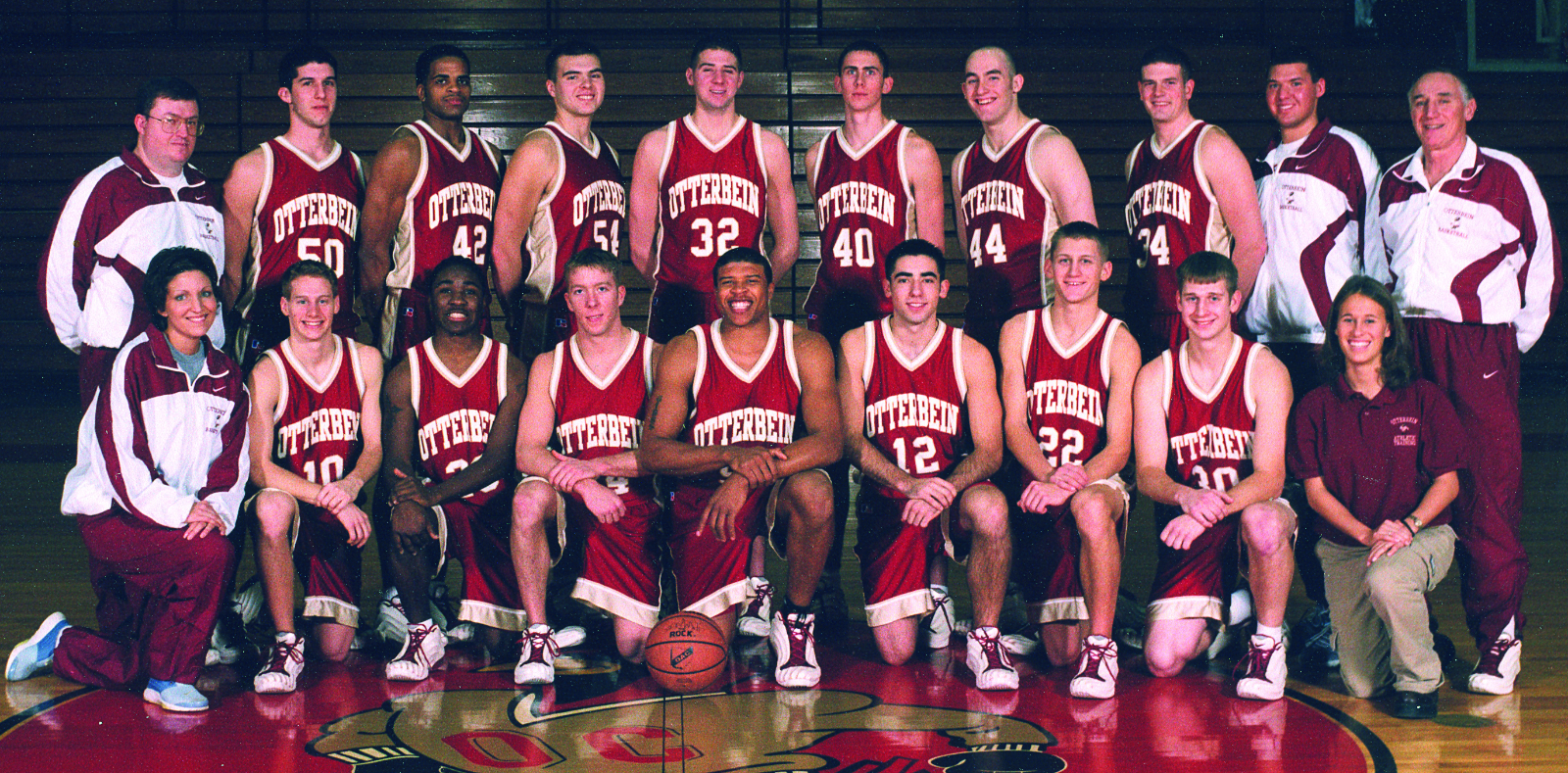
It’s so gratifying when you had a student with whom you were close, they graduate, and then years later you learn that they’ve achieved much. Mo Ross is a marvelous example of this phenomenon. In college, Mo was an integral member of Otterbein University’s 2002 National Division Three Championship Basketball Team. I was still keeping tabs on Mo in 2002 and I was impressed with this lofty accomplishment.

Big Mo is the good-looking #40 in the back row.

But then, I lost track of him. Certainly not on purpose, but I’ve taught over ten thousand kids in my career. It’s hard to follow them all. I reconnected with Mo this past fall due to a tragedy. I coached Mo in Freshman Football many years ago. His best friend, Randy Russell, was also on my team. Randy passed away this past year and Mo and I talked frequently in the wake of this awful development.

I was thrilled to learn that Mo had become an educator. In fact, Mo had became a principal. He’s the perfect blend of ability, disposition, and vision. As you listen to this talented young man, you’ll spot his leadership skills immediately. Those skills were evident to his teammates and me. He guided our freshman football team as the quarterback. His skills are now evident to his teaching staff. His common sense approach and calm supportive demeanor are major assets.

Principal at Wyandot Run Elementary in Powell, Ohio

This podcast is in need of more administrative perspectives. I frequently interview teachers and students. An administrator can describe student engagement from the objective perch of the classroom evaluation. This episode will give the listener a behind the curtain peak at exactly what’s going through an administrator’s mind as he watches you matriculate through your lesson.

Episode Template

The Problem:

Teachers are not sure how to improve their next evaluation.

The Solution:

Be proactive with your principal.

What you can do Tomorrow:

  • Do a self-evaluation.
  • Inform your principal your verdict.
  • Ask her for advice and resources to improve.
  • Create a great lesson hook, so when your principal comes in she’ll see highly engaged student body language.

Your principal can help you grow as an educator. Your principal should be willing to help you grow. Utilize them. Your next evaluation could be your best.

Listen to “115-Principal Mo Ross Describes what he’s Looking for in your Next Evaluation” on Spreaker.

114-BRAVO…Students in Monica Lewis’ Class Practice Mindfulness Daily

Every morning, I spend some solitude on a meditation cushion. This has been an on and off again routine for many years. Over the past 6 months, I’ve been diligent. The rewards have been palatable:

  • I sleep better
  • I eat better
  • I notice things
  • I’m calmer
  • I’m much kinder and more tolerant
  • I’m less critical of myself
  • I’ve mended fences

I add a minute to my practice each week. I’m working up to 30 minutes. I’m currently at 22. If back in October someone would have told me that I could sit calmly for 22 minutes by mid-January, I would’ve dismissed them.

I certainly don’t mean to imply that I bliss-out each morning. Some sessions are a train wreck. My mind resembles a trapeze act. But even on those spastic dawns, I benefit. Perhaps, I need my mind to perform its gymnastics routine in a safe place and then I can move on with my day in a more present fashion.

Recently, I was presenting at a local school district’s professional development day. After my presentation, I had some free time so I thought I’d duck into some breakout sessions. One, in particular, intrigued me. Monica Lewis is a 4th-grade gifted teacher in Pickerington, Ohio. Her session on Mindfulness in the Classroom was at the top of my dance card. After Monica’s fine session, I introduced myself and invited her on my podcast. This episode will mirror her presentation and give me the opportunity to ask questions that many of you may have merely based on the title.

Monica Lewis

In my World Civilization class, we annually do 2 short mindfulness sessions when we arrive at the units on Hinduism and then Buddhism. That adds up to a grand total of 4 minutes of mindfulness for the semester…but it’s a powerful 4 minutes! Many kids hit me up the next day and plead, “Can we please do that again?” Monica’s students do it daily. That intrigues me and certainly makes me want to include more mindfulness.

And finally, some listeners may be reluctant to add such a routine. Please consider these factors:

  • Mindfulness is a secular activity
  • Mindfulness doesn’t have to be done daily
  • Monica is evangelical about mindfulness’ positive impact on student performance and classroom management

Monica suggested these wonderful resources:

If you’re considering adding mindfulness to your classroom, certainly consult with your principal. There are parents who are terrified of anything outside their life experience. Let your poor principal in on your ideas. You don’t want your administrator to get ambushed by an angry call from a parent. Perhaps, share this episode and Monica’s resources if you think it’ll help.

Episode Template

The Problem:

Our modern existence undermines mindfulness.

The Solution:

Introduce a regular mindfulness practice into your classroom.

What you can do Tomorrow:

  • Attempt a personal 2-minute mindfulness session
  • Peruse Monica’s resources
  • Consult with your administrator
  • Plan for a 2-minute classroom maiden voyage

Mindfulness could lead to better classroom management and improved student performance. More importantly, it just may lead to happier kids!

Listen to “James Sturtevant Hacking Engagement” on Spreaker.

113-Five Hacks for Bonding with REALLY, REALLY Challenging Kids…or, a Cure for Teacher Insomnia

Do you have a class that you probably should get a little extra in the paycheck for coping with on a daily basis? Do you have students who dominate your thoughts…and not in a good way, when you’re away from school? Do you catch yourself having imaginary confrontations with certain kids? Do you have a class that causes you great anxiety as they roll through the door each morning? If you do, join the club.

I had such a class last semester. I was wondering, Do I still have it? So, I set to work bonding with these challenging kids. This episode will describe my approach. What I love about this episode, is that all my suggestions are totally in the teacher’s control. You’re not reliant on student compliance in order to implement these strategies. My hope is that over time your calm, consistent, and persistent efforts will be rewarded. Give my ideas a try. I have confidence in your success!

Here are my five hacks:

  1. Work on Approachability
  2. Anticipate Problems
  3. Don’t Take the Bait
  4. Build a Relationship
  5. Practice Empathy


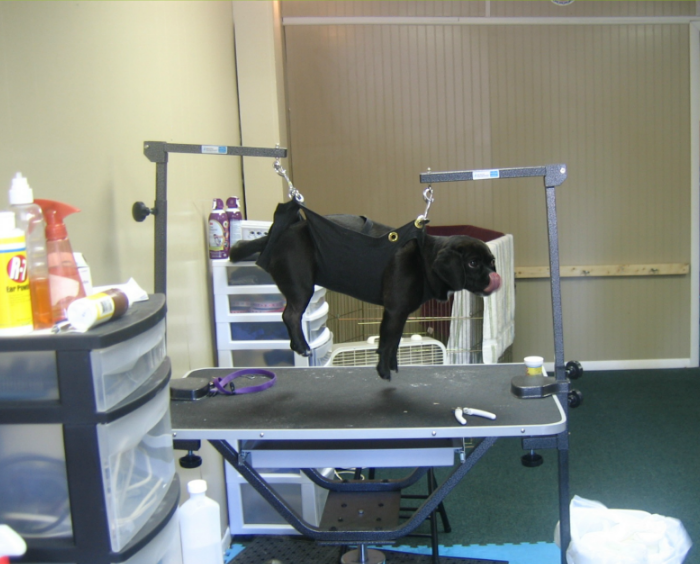
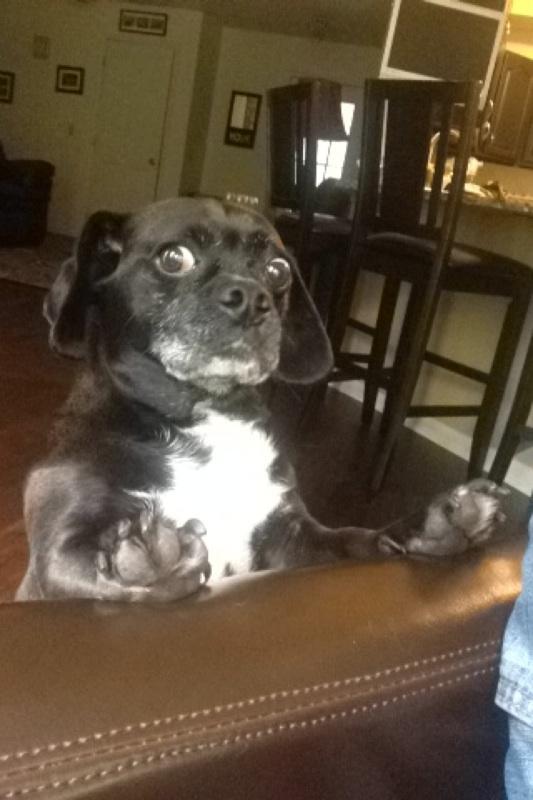
I promised this picture in the episode.

A PUG + a DACHSHUND = DUG STURTEVANT

Episode Template

The Problem:

Certain students can be total disruptors.

The Solution:

Apply the five hacks outlined in this episode.

What you can do Tomorrow:

  • Make a list of students, or entire classes, that you need to forge a better relationship with.
  • Systematically apply the five hacks outlined in this episode.
  • Practice patience. Forging relationships with standoffish students takes time.
  • Corral your ego. It can be a major obstacle to progress.

Bonding with challenging students could be magical for them. You could be the adult advocate that they desperately need!

Listen to “113- Five Hacks for Bonding with REALLY, REALLY Challenging Kids…or, a Cure for Teacher Insomnia” on Spreaker.

112-You Simply Must Try StoryMaps from Knight Lab…Starring Max Muhlbaier and Matt Rease

This past summer, I interviewed Michael Brilla about creating timelines on an amazing platform called Knight Lab. I had my students such create timelines this past September. It was a solid experience for all. The only issue we had with this application was that kids had to fill out a Google Spreadsheet and then submit that sheet to the Knight Lab platform. This one variable caused some frustration with my students. Imagine that!

What I love about StoryMaps is there are no spreadsheets involved. Your kids create the entire StoryMap right on the Knight Lab platform. It’s totally web-based…which is magical. When kids are done, they hit the share button and they have the link.

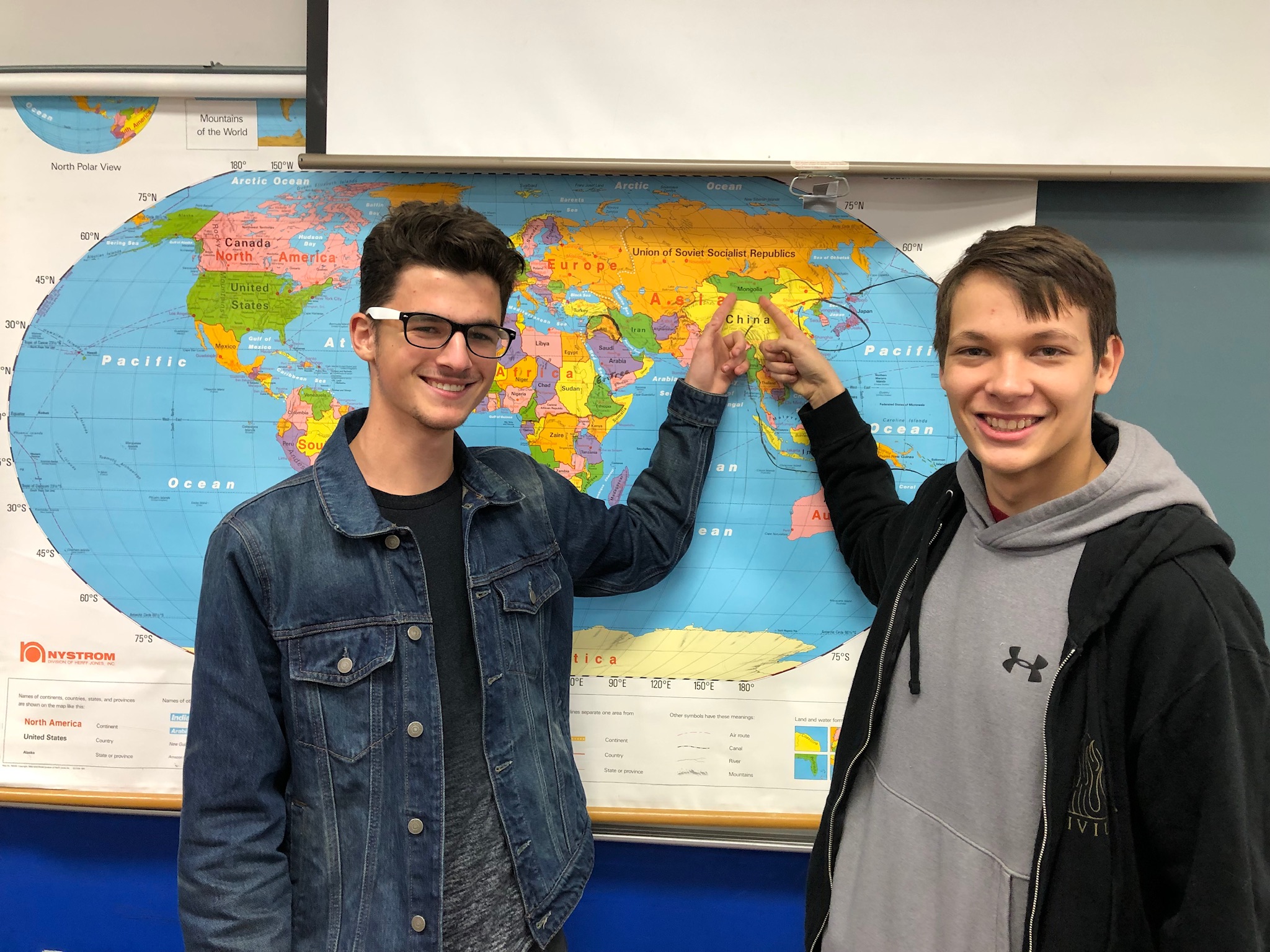
This is a perfect activity for any lesson that involves events taking place in various locations. I had my students create a StoryMap on the Mongols. Here’s a link to my prompt. Please copy it and then edit it to fit your class.

To help me tell this story is Max Muhlbaier and Matt Rease. These two articulate young students (primary sources) will describe utilizing this platform. Here’s a link to Matt’s StoryMap.

Max Muhlbaier and Matt Rease

Episode Template

The Problem:

Often, students lack context for your lesson.

The Solution:

Create instant understanding with StoryMaps.

What you can do Tomorrow:

  • Go to Knight Lab and create your own StoryMap
  • Consider an upcoming project that involves some geography
  • Take my prompt an edit to fit your class

This platform puts learning into context, which makes your lesson relevant.

Listen to “112-You Simply Must Try StoryMaps from Knight Lab…Starring Max Muhlbaier and Matt Rease” on Spreaker.

111-A Google Drawing Prompt Template that you can use Over and Over Again…Starring Morgan Schull and Lauren Speelman

2 Months ago, I prompted my students to draw. I was hoping to get some masterpieces. In fairness, I did get a few spectacular and inspiring submissions. Most kids, however, were ambivalent. Many commented, “I hate drawing!” Or, “I suck at drawing!” They put forth little or no effort and it showed. The entire episode left me wondering, How can I do this better next time? 

At this dramatic moment, Google Drawings boldly stepped on stage. I was unfamiliar with this tool, so I watched this brief and empowering tutorial. I use Google Docs and Google Slides and I was encouraged by how my experiences with those 2 tools inspired a rapid learning curve. I created a Google Drawing. As I explain in the program, I became obsessed with the process. I linked my drawing on the prompt I created to give my kids ideas.

My Google Drawing

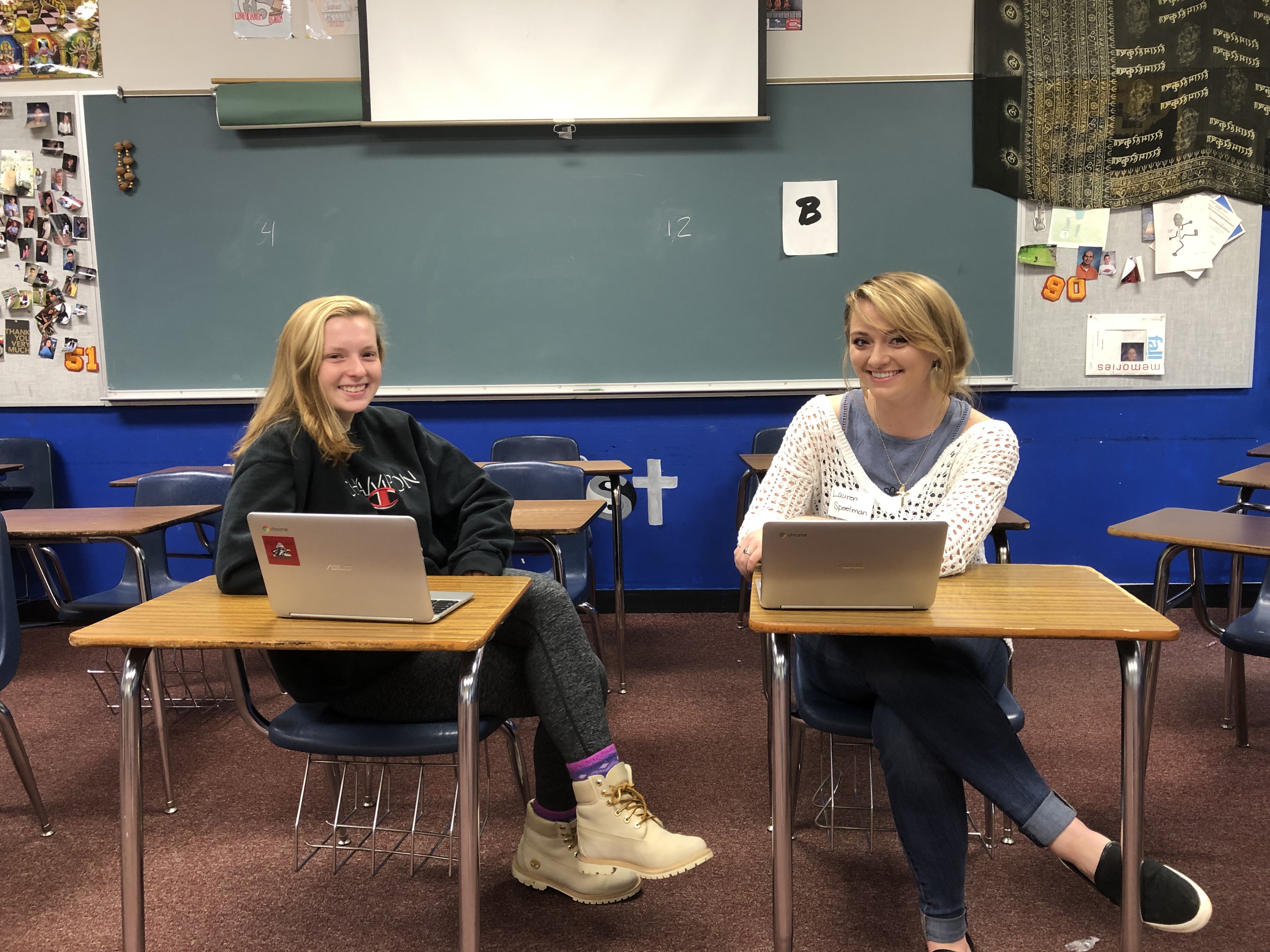
I decided to unleash this tool on my students. It was a marvelous decision. In this program, 2 of my students, Morgan Schull and Lauren Speelman, will talk about their experiences utilizing Google Drawings. I love these 2 articulate young women. So will you.

Morgan Schull and Lauren Speelman

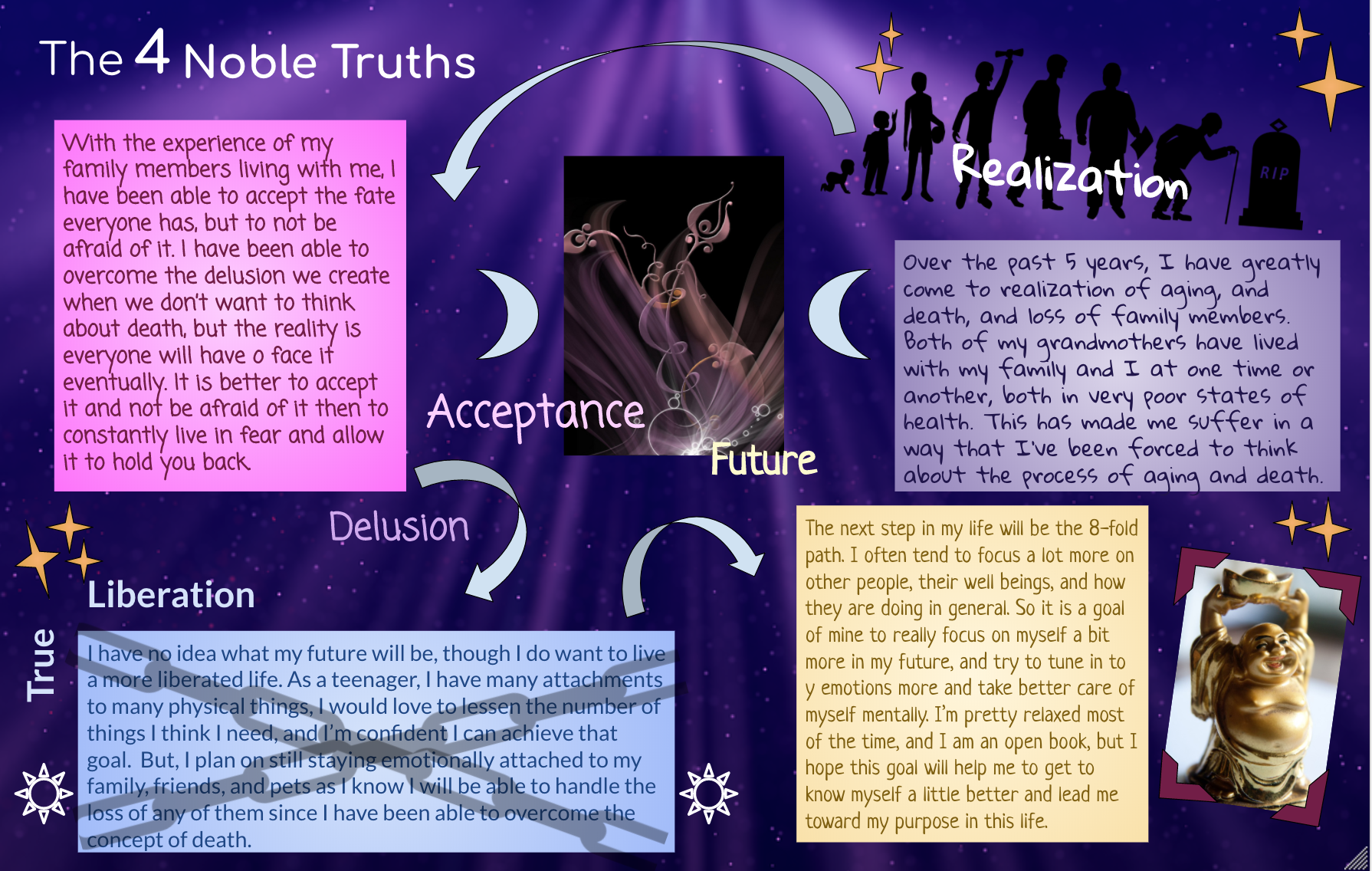
Here’s a link to my prompt on creating a Google Drawing about Buddhism’s Four Noble Truths. Consider this prompt a template that you can copy, alter, and then use over and over. Morgan and Lauren discuss the creation process and their products. Here’s a link to Morgan’s effort and a link to Lauren’s.

Morgan’s Google Drawing

Lauren’s Google Drawing

Episode Template

The Problem:

Many students do not want to express themselves through drawing.

The Solution:

Google Drawings is an easy was to empower and inspire reluctant artists.

What you can do Tomorrow:

  • Watch this tutorial on Google Drawings.
  • Create a Google Drawing of your own.
  • Scan your current unit for possible topics.
  • Morph my template into a prompt for your class.

Google Drawing could just bring the creative edge back to your kids. Listen to “111-A Google Drawing Prompt Template that you can use Over and Over Again…Starring Morgan Schull and Lauren Spellman” on Spreaker.

110-TEMPORARILY Morph your Kids into Buddhist, Hindus, and Muslims via the Belief-O-Matic…Starring Sebastian Kirkpatrick and Graham Mackey

It’s so hard to entice someone to morph into the perspective of another. Unfortunately, it’s darned near impossible for adults and not that easy for kids, who hopefully are more open-minded.

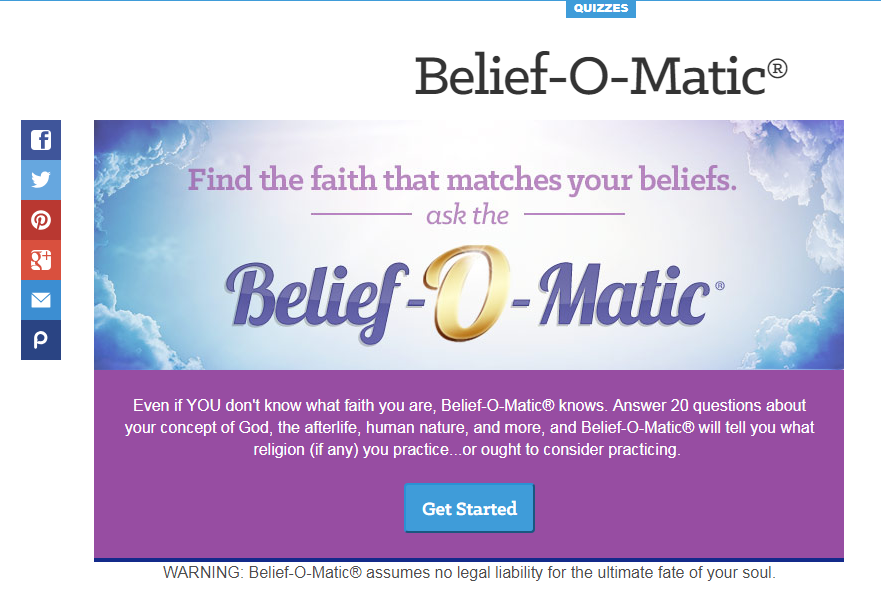
I teach in a small town just outside Columbus, Ohio. We are just a couple of miles from the diversity of Columbus. However, our town is growing and diversity is coming. It’s my mission to help our kids appreciate different viewpoints. I was overjoyed when I found an online tool that helps greatly in the quest. Introducing the Belief-O-Matic. 

I challenged my kids to REALLY understand Buddhism, Hinduism, and Islam via the Belief-O-Matic. The students were confronted with 20 questions that they tried to answer as a member of the faith we explored. Please give this a try! I guarantee the experience will be challenging and enlightening. To help me explain how to utilize this cool tool are 2 amazing primary sources. Sebastian Kirkpatrick and Graham Mackey are wonderful guys who are 11th graders at our school and they are articulate salesmen for this tool.

And finally, some educators may worry that this entire endeavor may be too controversial. Perhaps, you could share this link with your principal and then explain to her how you intend to use it.

Episode Template

The Problem:

It’s hard for kids to assume the perspective of another.

The Solution:

Please create a lesson where you can utilize the Belief-O-Matic. Challenge students to answer the questions as a member of the faith you’re exploring.

What you can do Tomorrow:

  • Navigate to the Belief-O-Matic and try the 20 questions answering as your authentic self.
  • Next, try answering as a member of a faith you’re not. See how close you can get to 100%.
  • Scan your future lessons for an opportunity to use this tool.
  • Check with your principal to make certain everything is kosher.

It’s tough to put oneself into the perspective of another. The Belief-O-Matic can help!

Listen to “110-TEMPORARILY Morph your Kids into Buddhist, Hindus, and Muslims via the Belief-O-Matic…Starring Sebastian Kirkpatrick and Graham Mackey” on Spreaker.

109-Adventures in Standards-Based Learning…Starring Mark Robinson

I remember 10th-grade Geometry. I was quite a distracted high schooler. And to accentuate this problem…I was a total humanities guy. Math class was more of a social opportunity as opposed to an academic endeavor. Consequently, I was totally lost. I had virtually no idea what was going on. Unfortunately, there are a lot of kids in Math classes today who resemble the 15-year-old me.

So at this juncture of our journey, Mark Robinson enters the fray.

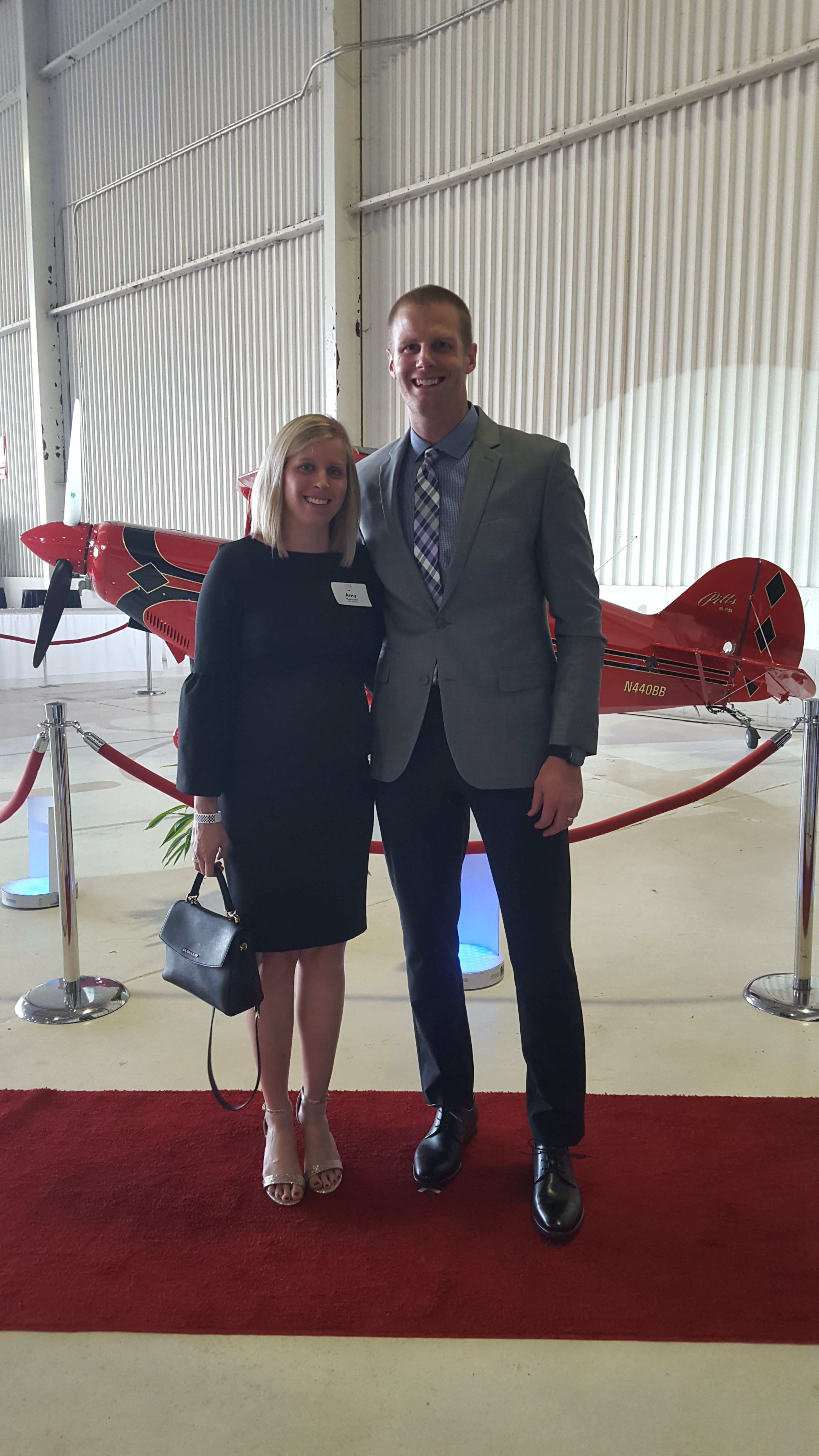
Mark and his lovely wife Amy [email protected]

Mark is a fabulous Math teacher who embarked this fall on a Standards-Based Learning journey. Standards-Based Learning is a powerful wave that’s churning on education’s horizon. Mark stops into today to talk about what it is, how it works and evaluates its effectiveness. The 15-year-old James Sturtevant would have thrived with a teacher like Mark.

Unlike other episodes, there is not a What you can do Tomorrow section. I simply don’t know enough about this concept to create one. Instead, I’ll encourage you to approach your principal and plan a visit to watch it action!

Here is the Math hashtag that Mark promotes #MTBOS

Listen to “109-Adventures in Standards-Based Learning…Starring Mark Robinson” on Spreaker.


108-Ben Momeni and Cecilia Sutton Want you to Deliver your Next Lesson Via Padlet

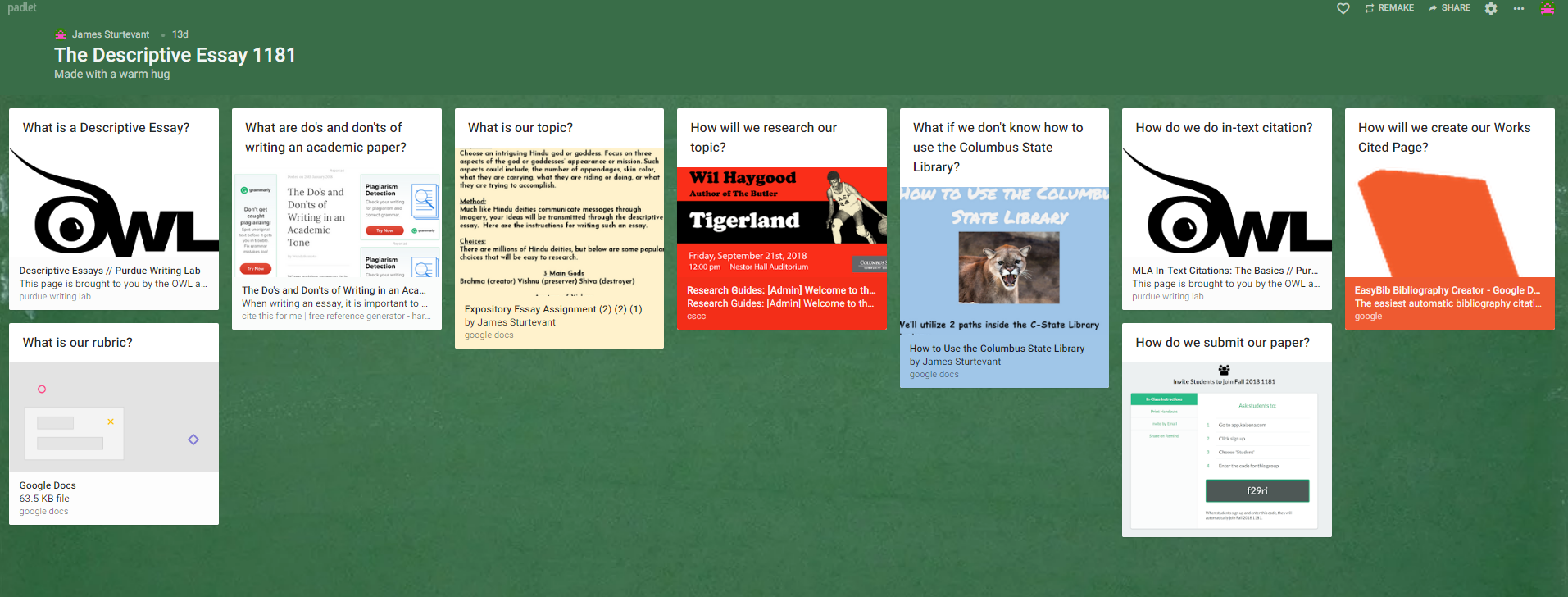
Recently, my buddy Michael Brilla shared information on how to utilize Google Drawings. He sent me a Padlet by Karly Moura. I was mesmerized by this Padlet. The info and the direction were solid…but I was also captivated by the Padlet itself. I immediately started scheming, How can I utilize a Padlet for my next lesson prompt? It was a short skull-session. My World Civ students were due for their research paper prompt. Writing a research paper, for many students, is a daunting task. I decided to deliver my prompt and ample instructions and encouragement via the Padlet that’s pictured above.

My efforts were fruitful! To back up this audacious claim, I commandeered two original sources. Ben Momeni and Cecilia Sutton are seniors at our school and students in my World Civ class.

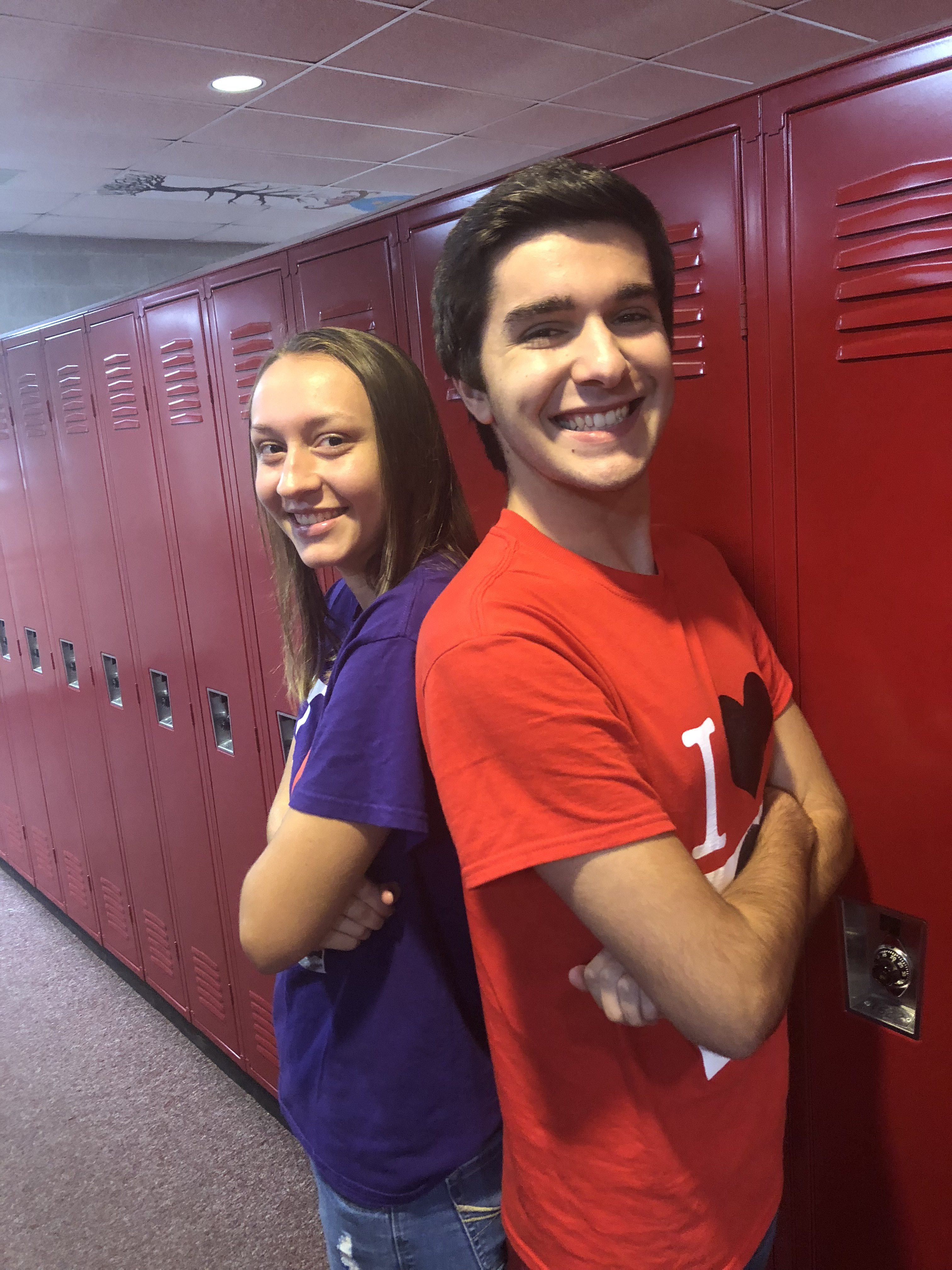
Sutilia and the Balm

I permit them to migrate from study hall to my room during the last period of each day. Since I rescue them every 24 hours, they were happy to help me by appearing as guests. They’re wonderful, intelligent, and articulate young people. They’ll provide onsite reporting on what it’s like to have a prompt dropped on you via Padlet.

Episode Template

The Problem:

Students are often confused by lesson prompts.

The Solution:

Utilize Padlet to deliver an organized, visually appealing, encouraging, and resource-rich prompt.

What you can do Tomorrow:

  • Check out my Padlet
  • Allocate a future assignment that contains a lot of steps for your first Padlet-prompt
  • Make a list of questions students may have about this assignment
  • Create a Padlet and make each potential student question a post
  • Place a link under each post that leads to explanation via a doc, site, or video
  • Assign the prompt via your lesson delivery system

Never assume students know what they are supposed to accomplish. Add Padlet to your Arsenal of Understanding.

Listen to “108-Ben Momeni and Cecilia Sutton Want you to Deliver your Next Lesson Via Padlet” on Spreaker.